

 ro
ro 
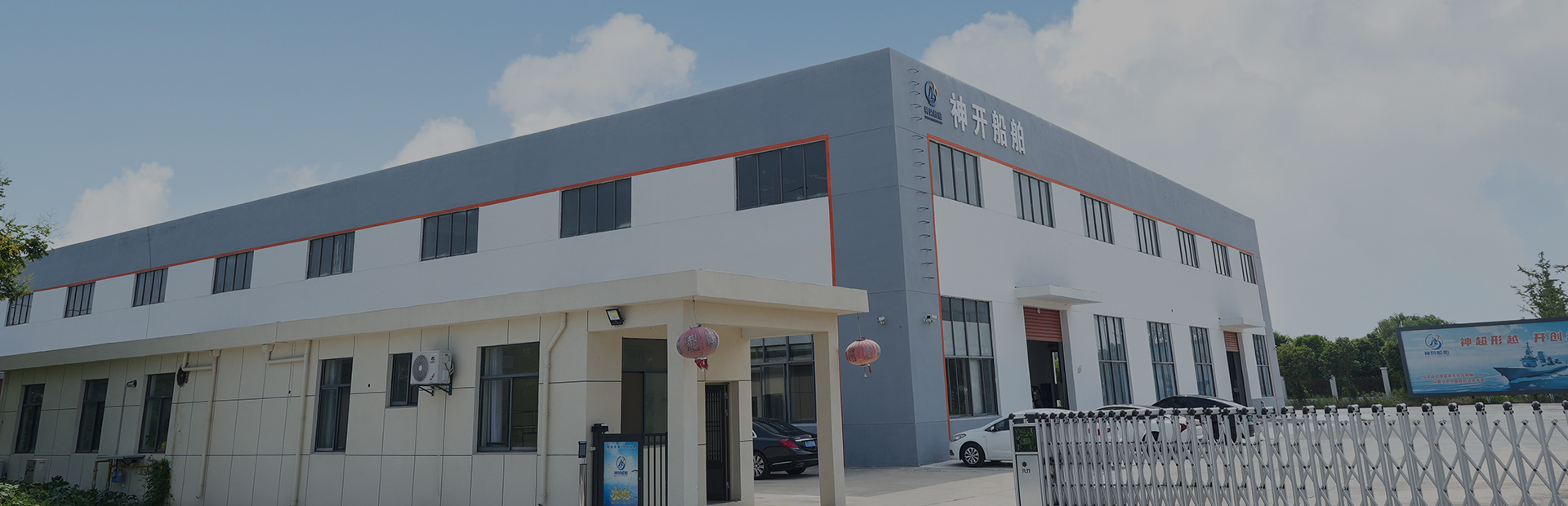
Jiangsu Shenkai Marine Equipment Co.,Ltd. China Furnizori de panouri frigorifice marine și Producători de panouri frigorifice navale, proiectează și fabrică echipamente marine. Ofertele sale actuale de produse includ depozitare frigorifică prefabricată marină, sisteme de conducte de ventilație marină, capace marine, panouri compozite marine, soluții interioare marine, uși antifoc, sisteme de unități sanitare și alte produse și servicii. Fondată în 2023, compania prioritizează inovarea tehnologică și îmbunătățirea continuă ca strategie fundamentală și competitivitate de bază. Printr-o urmărire și explorare neobosită, oferă produse de înaltă calitate și servicii complete. În prezent, compania dispune de o capacitate tehnică și de producție amplă, producând și deservind aproximativ 300 de seturi de panouri frigorifice marine anual. De asemenea, execută producția și service-ul sistemelor de conducte de ventilație și proiectelor interioare marine. Performanța tehnică, caracteristicile structurale și calitatea produselor noastre îndeplinesc pe deplin cerințele și standardele ingineriei marine și offshore. Sunt utilizate pe scară largă de marile șantiere navale interne și sunt la nivelul produselor similare internaționale. În prezent, exportăm produse în vrac în țări precum Japonia, Filipine, Singapore, Coreea de Sud, Vietnam și India. Compania prioritizează orientarea către client și se străduiește să depășească așteptările clienților, oferind servicii complete de suport pentru produse marine. Ne angajăm să colaborăm strâns cu întreprinderi naționale și internaționale, să împărtășim resurse și să creăm succes comun.

product
- Seria frânghii marine
- Seria Scări de frânghie
- Seria de scari marine din aluminiu
- Tachelajul navei
- Seria plase de siguranță
- Panouri de depozitare frigorifică marine
- Seria de partiții maritime rezistente la foc
- Unități sanitare maritime
- Seria de echipamente maritime
- Piese de ancorare marine
- Conducte maritime de ventilație
- Apărătoare marine
Producători de panouri frigorifice marine/navale
-
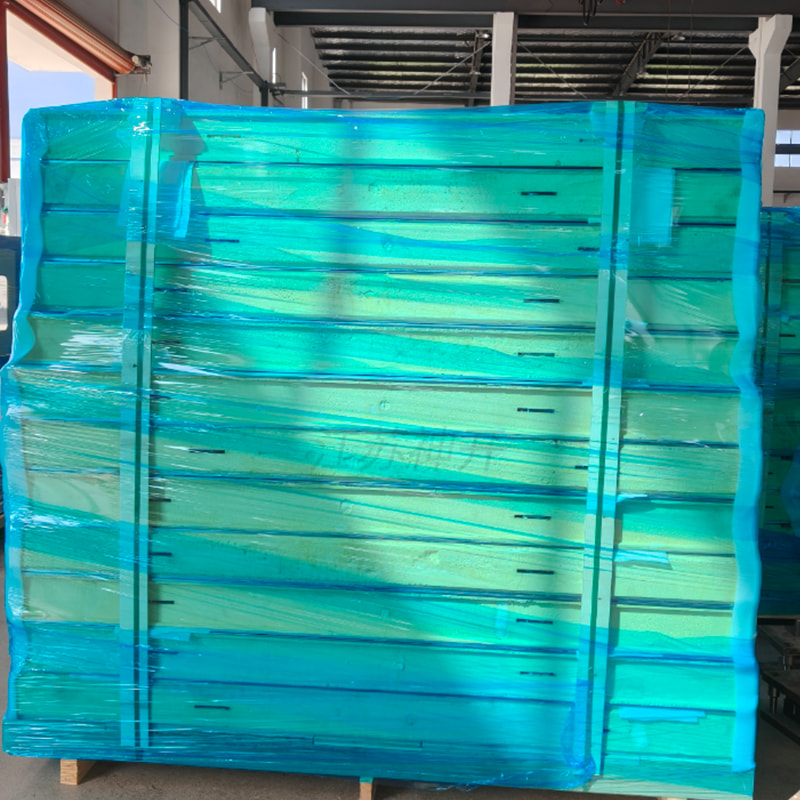
Acoperiș frigorific marin
Panourile produsului sunt construite din tablă de oțel in... -
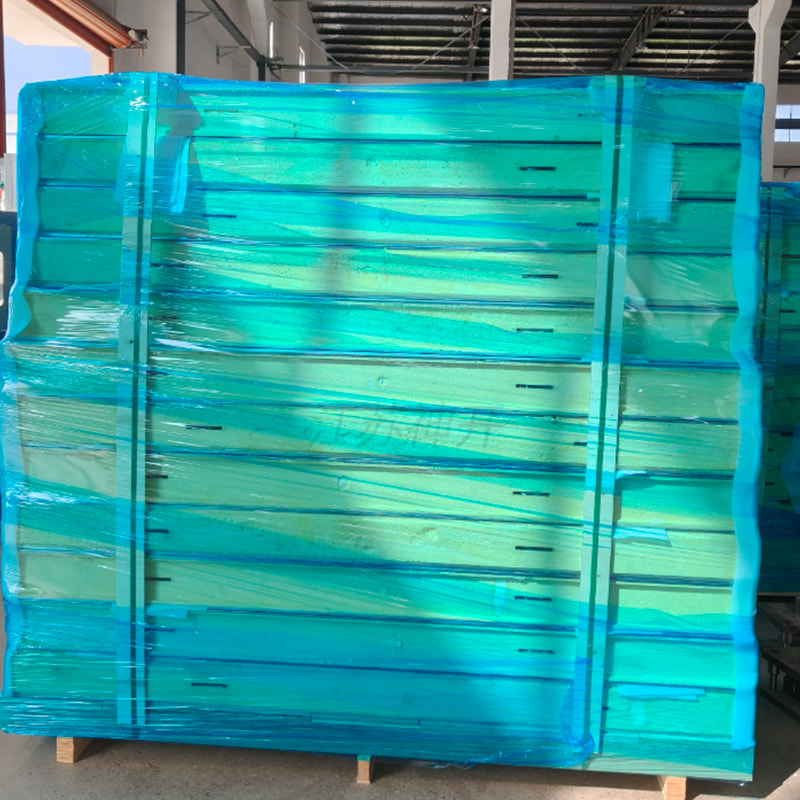
Pereți despărțitori frigorifici marini
Panourile produsului sunt construite din tablă de oțel in... -
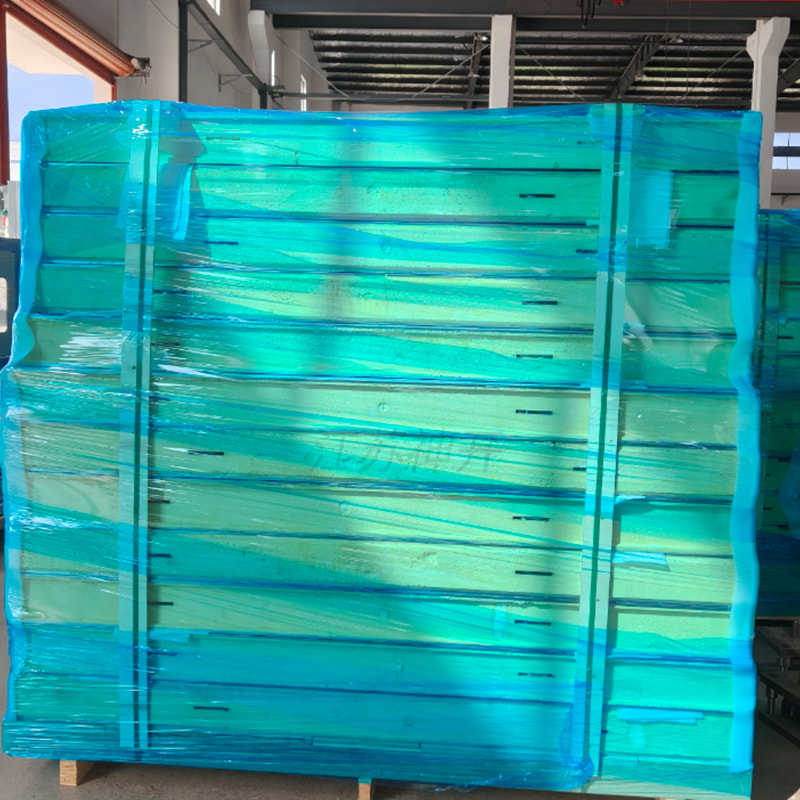
Podea de depozitare frigorifică marină
Panourile produsului sunt construite din tablă de oțel in...
Panourile frigorifice marine sunt materiale cheie pentru construcția depozitelor frigorifice ale navelor. Ele sunt de obicei compuse din plăci metalice cu două fețe și materiale izolatoare din spumă în mijloc. Panourile marine de depozitare la rece pot fi folosite pentru a depozita fructe de mare și alte capturi, pentru a conserva alimente pentru membrii echipajului și pasageri și pentru a depozita materiale speciale, medicamente și produse biologice. Partea vizibilă este în general realizată din plăci de oțel inoxidabil, care au o bună rezistență la coroziune și estetică; partea invizibilă este realizată în mare parte din plăci galvanizate sau plăci de oțel acoperite cu culoare, care pot juca un anumit rol de protecție și de susținere. Materialele plastice din spumă poliuretanică rigidă ignifugă utilizate în mod obișnuit au conductivitate termică scăzută, proprietăți bune de umplere a matriței, greutate specifică ușoară și rezistență ridicată. Conexiunea dintre panourile de depozitare frigorifică marine adoptă o potrivire concavă și convexă, care asigură o poziționare precisă și un panou plat. Cârligele de blocare excentrice sunt încorporate în cusăturile concave și convexe. Prin răsucirea cheii, cele două panouri pot fi fixate strâns, făcând îmbinarea mai strânsă, asamblarea mai rapidă, mai puternică și mai etanșă. Caracteristicile panoului: performanță excelentă de izolare termică, rezistență structurală ridicată, performanță bună de etanșare, instalare ușoară și rezistență puternică la coroziune. Putem proiecta panouri în funcție de aspectul camerei și cerințele clienților și putem oferi andocare în timp util și livrare rapidă. Dacă este necesar, putem oferi și muncitori pentru instalare.
Despre
Jiangsu Shenkai Marine Equipment Co.,Ltd.
Știri
-
Întroducere în conducta spirală marine În mediul solicitant al industriei maritime, sistemele fiabile de distribuție a aerului și de evacuare sunt cruciale pentru asigurarea siguranței, confsautului și eficienței operaționale. O componentă cheie care joacă un rol esențial în aceste sisteme este conductă s...
CITEȘTE MAI MULT -
Introducere în frânghiile marine Ce sunt frânghiile marine? Csauzi marine , adesea denumite linii în termeni nautici, sunt o componentă fundamentală a sauicărei ambarcațiuni sau nave maritime. Sunt csauzi, cabluri sau șuvițe special concepute, răsucite sau împletite împreună pentru a oferi rezistență, du...
CITEȘTE MAI MULT -
1. Introducere la Panouri de depozitsunt frigsauifică marine și rolul lsau în conservarea fructelsau de mare Panourile marine frigsauifice sunt o componentă esențială în asigurarea prospețimii și calității fructelor de mare în timpul transportului și depozitării. Aceste panouri sunt conc...
CITEȘTE MAI MULT
Panouri de depozitare frigorifică marine Cunoștințe din industrie
Are the marine/ship cold storage panels fire-resistant or equipped with flame-retardant properties?
Understanding the Role of Marine and Ship Cold Storage Panels
Marine and ship cold storage panels are specialized structural elements designed for use in refrigerated compartments aboard vessels. Their primary purpose is to maintain consistent temperatures for the preservation of perishable goods, seafood, and other supplies essential during long voyages. These panels are typically composed of insulation cores encased between protective metal layers, engineered to withstand harsh marine environments. However, beyond thermal performance, modern designs must also consider safety factors such as fire resistance and flame-retardant properties, which directly influence compliance with maritime safety regulations and the protection of personnel and cargo.
Distinguishing Fire-Resistance and Flame-Retardancy
It is important to distinguish between fire-resistance and flame-retardancy when assessing marine cold storage panels. Fire-resistant panels are designed to withstand exposure to high temperatures and prevent the spread of flames for a specified period, thereby containing fire hazards within defined compartments. Flame-retardant panels, on the other hand, incorporate treatments or additives that slow the ignition process and reduce the spread of flames. While both qualities are related to safety, their performance levels and intended applications differ. For shipboard cold storage panels, the selection between fire-resistant and flame-retardant designs depends on the specific risk profile of the vessel and the regulatory framework it must meet.
Materials Used in Marine Cold Storage Panels
The performance of marine cold storage panels largely depends on the materials used in their construction. Core materials often include polyurethane foam, polyisocyanurate foam, or mineral wool, each with distinct characteristics in terms of insulation and fire behavior. Polyurethane and polyisocyanurate foams offer excellent thermal insulation but typically require flame-retardant treatments to meet safety standards. Mineral wool cores, in contrast, provide both insulation and inherent fire-resistance, making them suitable for high-risk environments. The choice of outer metal layers, often galvanized steel or aluminum, also contributes to fire performance by protecting the core and adding structural strength.
International Safety Regulations and Standards
Marine and ship cold storage panels must comply with international maritime safety regulations. The International Maritime Organization (IMO) establishes fire safety codes that govern shipboard materials, including the International Convention for the Safety of Life at Sea (SOLAS). Panels may also be tested under standards such as the International Maritime Dangerous Goods Code (IMDG) and fire test procedures laid out by classification societies like Lloyd’s Register or DNV. Compliance with these standards ensures that cold storage panels contribute to the vessel’s overall fire safety strategy, particularly in enclosed areas where risks may be higher.
Performance Testing of Fire-Resistant and Flame-Retardant Panels
Before installation, marine cold storage panels undergo rigorous performance testing to verify their safety properties. Fire tests measure factors such as ignition resistance, flame spread, smoke production, and structural integrity under elevated temperatures. Common methods include the IMO FTP Code Part 1 test for non-combustibility and the IMO FTP Code Part 5 test for surface spread of flame. These tests help determine whether a panel qualifies as fire-resistant or flame-retardant and provide measurable data for shipbuilders and operators when selecting panel systems. Certified performance testing is critical for ensuring compliance and safeguarding vessel operations.
Comparison of Core Materials in Terms of Fire Behavior
The fire safety performance of marine cold storage panels is strongly influenced by the insulation core material. Different core materials offer varying levels of flame resistance, as outlined in the table below:
| Core Material | Insulation Performance | Fire Resistance/Flame-Retardant Properties |
|---|---|---|
| Polyurethane Foam (PU) | High thermal insulation | Requires flame-retardant additives; limited fire resistance |
| Polyisocyanurate Foam (PIR) | High thermal insulation | Better fire performance than PU, often treated for flame-retardancy |
| Mineral Wool | Moderate insulation | Inherently non-combustible; high fire resistance |
| Phenolic Foam | Good insulation | Low flame spread; smoke reduction properties |
Integration of Flame-Retardant Additives
For foam-based cores such as polyurethane and polyisocyanurate, flame-retardant additives are often incorporated to enhance safety. These additives work by either diluting combustible gases, creating protective char layers, or disrupting combustion chemistry. The effectiveness of such treatments can vary, making certification and standardized testing essential. While additives reduce the risk of rapid ignition, they do not transform foam panels into fully fire-resistant structures. Therefore, the decision to use flame-retardant treated foam panels depends on the operational environment and the fire safety strategy of the vessel.
Role of Panel Thickness and Construction
Panel thickness and construction also influence fire safety properties. Thicker panels may provide additional insulation against heat transfer, delaying the spread of fire. However, the presence of metal facings, adhesive bonding, and joint design also play critical roles. For instance, interlocking joints can reduce pathways for flames and smoke, while properly bonded layers ensure structural stability during fire exposure. Engineering design must account for these factors when developing panels for marine use, ensuring that fire safety features are integrated with thermal insulation and durability requirements.
Operational Safety in Ship Environments
The shipboard environment presents unique challenges for cold storage panels. Confined spaces, proximity to engine rooms, and the presence of flammable goods increase the importance of fire safety. Fire-resistant or flame-retardant marine panels minimize the risk of fire spreading within refrigerated compartments, protecting cargo and crew. Additionally, the use of such panels supports compartmentalization, an essential fire safety principle in naval architecture. By limiting fire to specific zones, these panels contribute to greater overall vessel resilience in emergency situations.
Cost Considerations and Material Selection
When selecting marine cold storage panels, ship operators must balance cost considerations with safety performance. Foam-based panels with flame-retardant treatments are typically more cost-effective but may offer limited fire endurance. Mineral wool panels, while providing superior fire resistance, are heavier and may involve higher material and installation costs. Decision-making involves evaluating the level of fire risk on board, regulatory requirements, and budget constraints. Ultimately, long-term safety and compliance often justify investment in higher-performance fire-resistant panels.
Maintenance and Inspection Practices
Even when panels are fire-resistant or flame-retardant, ongoing maintenance and inspection are critical for ensuring effectiveness. Ship operators must regularly check for physical damage, delamination, or corrosion of panel facings, as these issues can compromise fire performance. Inspections also involve verifying the integrity of seals and joints, which may degrade under constant thermal cycling and humidity. Documented maintenance schedules, combined with crew awareness of fire safety protocols, contribute to maintaining the intended safety levels throughout the service life of the panels.
Environmental Impact of Flame-Retardant Treatments
Flame-retardant chemicals used in some marine cold storage panels may raise concerns regarding environmental and health impacts. Certain halogenated flame retardants, for example, can release toxic gases during combustion. To address these concerns, modern manufacturers are increasingly shifting toward halogen-free flame-retardant technologies that reduce smoke and toxic emissions. This transition aligns with stricter international environmental regulations and supports the broader maritime industry’s move toward safer and more sustainable materials.
Applications of Fire-Resistant Cold Storage Panels
Fire-resistant cold storage panels are particularly important in vessels that transport flammable or hazardous cargo, such as oil tankers, chemical carriers, and supply vessels. They are also valuable in passenger ships, where safety standards are highest due to the large number of occupants. In fishing vessels and food transport ships, the emphasis is on maintaining refrigeration while ensuring fire safety to protect valuable cargo. Each of these applications highlights the dual role of cold storage panels: thermal insulation and fire safety.
Advantages and Limitations of Fire-Resistant Panels
Fire-resistant panels offer distinct advantages, including compliance with international safety codes, enhanced crew protection, and reduced fire propagation risk. However, they also present limitations such as increased weight and higher cost compared to flame-retardant-only panels. Additionally, installation may require specialized methods to ensure proper sealing and fire integrity. Understanding both the advantages and limitations helps shipowners and designers make informed decisions tailored to specific vessel types and operational needs.
Future Developments in Marine Cold Storage Panel Technology
Advancements in material science are leading to the development of cold storage panels with improved insulation, lighter weight, and enhanced fire safety. Hybrid core materials combining the insulating efficiency of foams with the fire resistance of mineral-based materials are under development. Manufacturers are also focusing on environmentally friendly flame-retardant solutions that minimize toxic emissions. As maritime regulations evolve, future panels are likely to integrate more sophisticated fire safety features while maintaining energy efficiency and durability in marine conditions.
Summary of Key Differences in Fire Properties
The table below summarizes the main differences between fire-resistant and flame-retardant marine cold storage panels, providing a clear comparison for shipbuilders and operators:
| Characteristic | Fire-Resistant Panels | Flame-Retardant Panels |
|---|---|---|
| Primary Function | Withstand fire exposure and contain flames for a specified duration | Slow down ignition and reduce flame spread |
| Core Material | Often mineral wool or phenolic foam | Typically polyurethane or polyisocyanurate foam with additives |
| Regulatory Compliance | Required in high-risk and passenger vessels | Suitable for lower-risk cargo or fishing vessels |
| Cost | Higher initial cost | More cost-effective |
| Weight | Heavier due to mineral cores | Lighter and easier to install |
Drepturi de autor © Jiangsu Shenkai Marine Equipment Co.,Ltd. Toate drepturile rezervate.
